
AI-Powered Onboarding
October 30, 2025
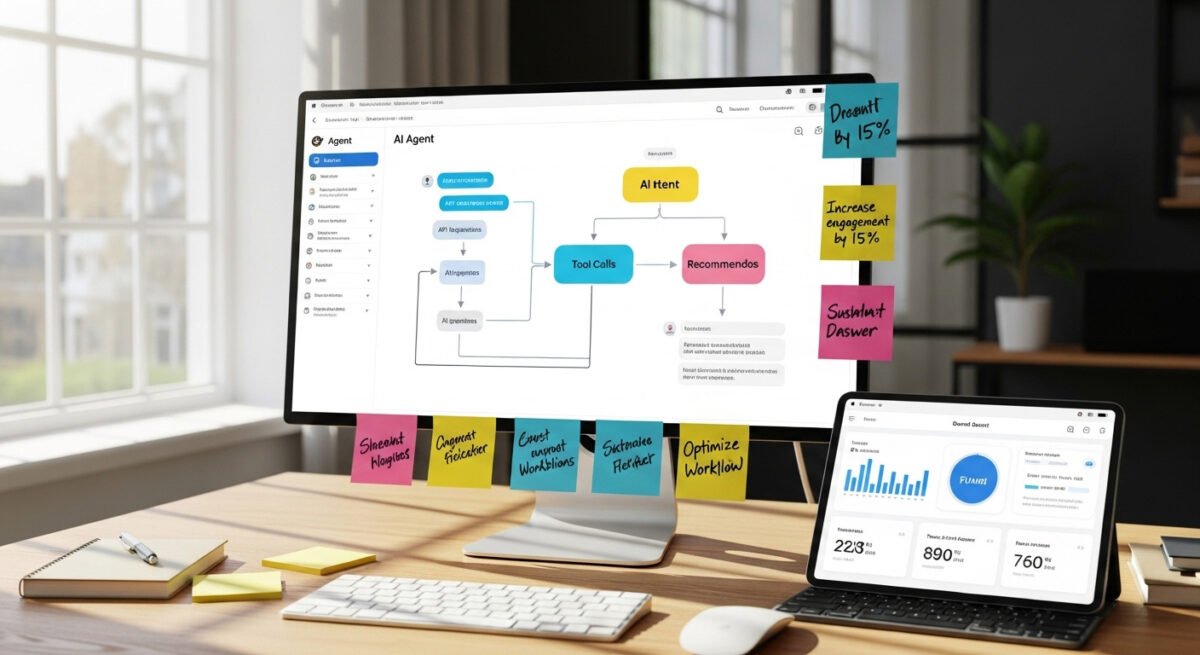
Most product demos are static: the same script, the same clicks, the same outcomes—no matter who’s watching. Adaptive AI demos flip that script. Instead of walking every prospect through identical steps, an AI agent reads intent in real time—industry, role, problem severity, device context—and assembles a demo that speaks directly to what matters. The result is less time explaining features and more time proving outcomes.
Start by defining three pillars: signals, scenes, and success.
Signals are the clues you can capture before and during the session—source channel, prior pages visited, job title, key obstacles, and the first few questions the user asks. Scenes are modular demo moments: import a sample dataset, generate a dashboard, trigger an automation, invite a teammate, export a result. Success is the demo’s finish line: the user sees their “first win” clearly—an answer, a file, an action—without digging through menus or guessing next steps.
When the session begins, the AI agent chooses scenes based on signals. A marketer might see creative testing and reporting; an operations lead might see workflow automation and error reduction; a founder might see setup speed and cost impact. As the user interacts, the agent adjusts the path: if they hesitate on a screen, it offers a quick “do it for me” option; if they move fast, it unlocks advanced configuration. The demo becomes a living conversation—short, relevant, and deeply convincing.
Narration matters. Avoid generic claims and emphasize cause → effect: “We imported your catalog, matched attributes, and generated three campaigns. Here’s the predicted lift and the steps to launch.” Pair every claim with visible proof. Short micro-demos—15 to 30 seconds—beat long lectures. Let the user control pace with one-click branching: “Show me automation,” “Show me analytics,” “Show me collaboration.” The agent should keep a running summary so handoffs to sales or support are effortless.
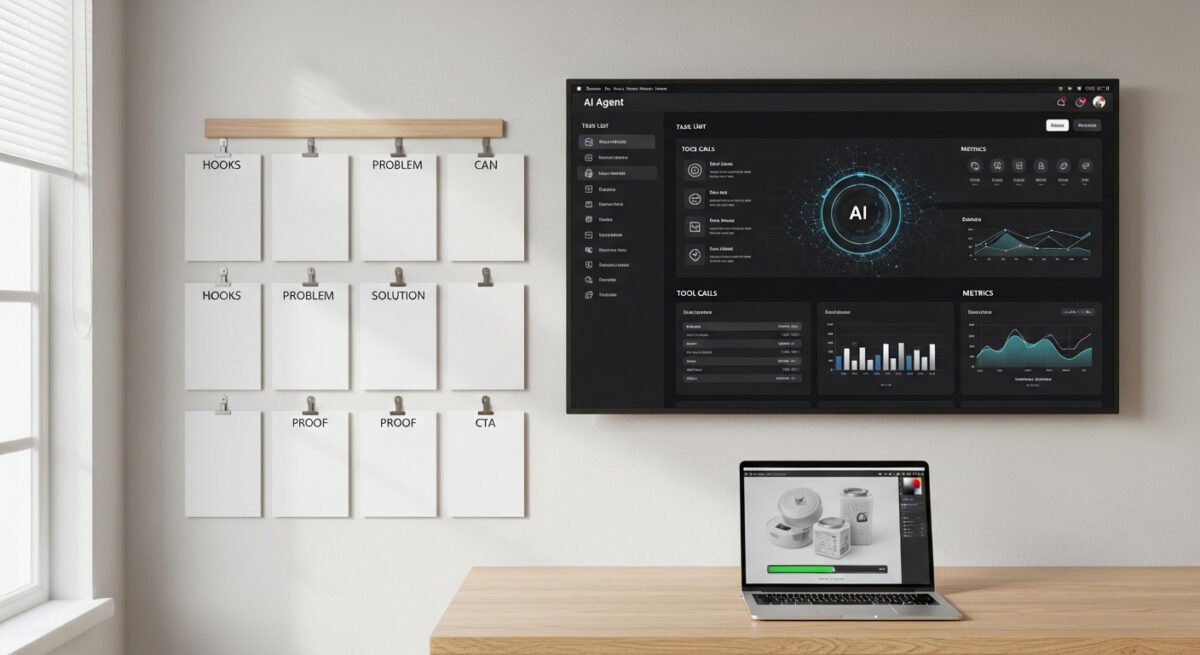
Measurement turns the demo into a growth engine. Track time-to-first-win, scene completion, replay rate, and conversion by persona. When a scene underperforms, rework it: simplify copy, replace data, or insert a one-sentence explainer. Keep a library of scenes and retire those that don’t move the needle. Over time, your best-performing demo isn’t a video—it’s a system that learns what convinces each audience.
Trust seals the deal. Disclose what the AI is doing, allow an easy “undo,” and surface a human option at any fork. Adaptive demos should feel like competence at your side, not a black box.
Want an adaptive AI demo that proves value in under three minutes? Reply “DEMO” and we’ll map signals, build modular scenes, and deliver a working prototype you can test live with customers.