Agentic Funnels
October 30, 2025
Adaptive AI Demos
October 30, 2025
Onboarding shouldn’t feel like a maze of forms and PDFs. With AI, the first minutes a user spends with your product can become a guided, adaptive conversation that sets clear expectations, unlocks value fast, and reduces early churn. Think of onboarding as an intelligent loop: collect signal, infer intent, act with context, and confirm success—then repeat until the user reaches a meaningful “first win.”
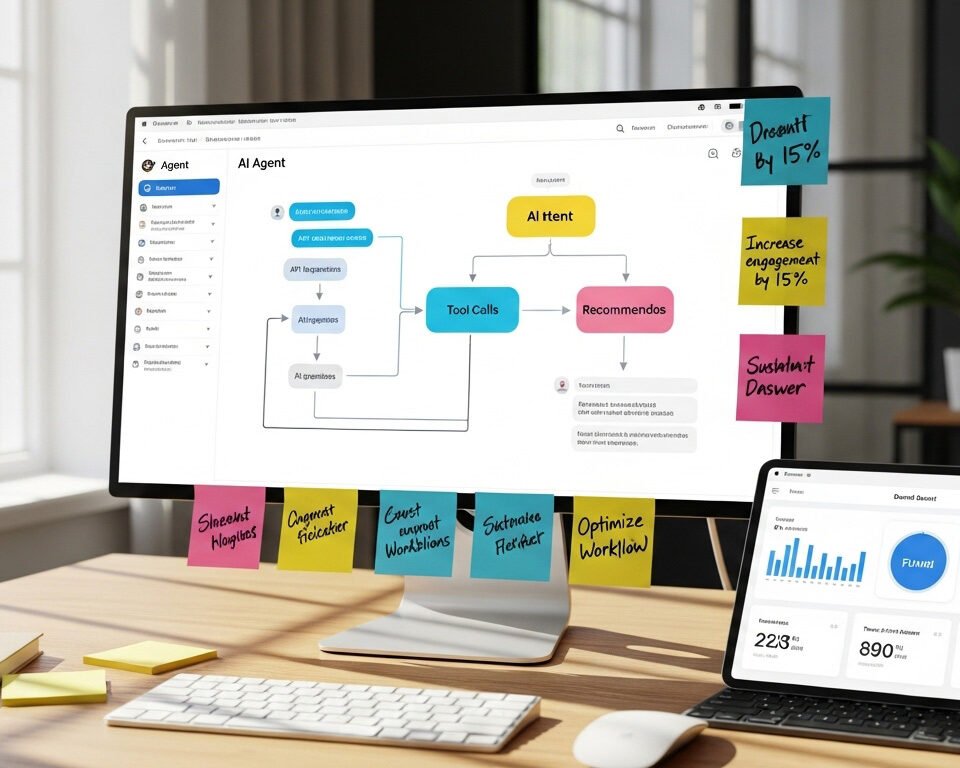
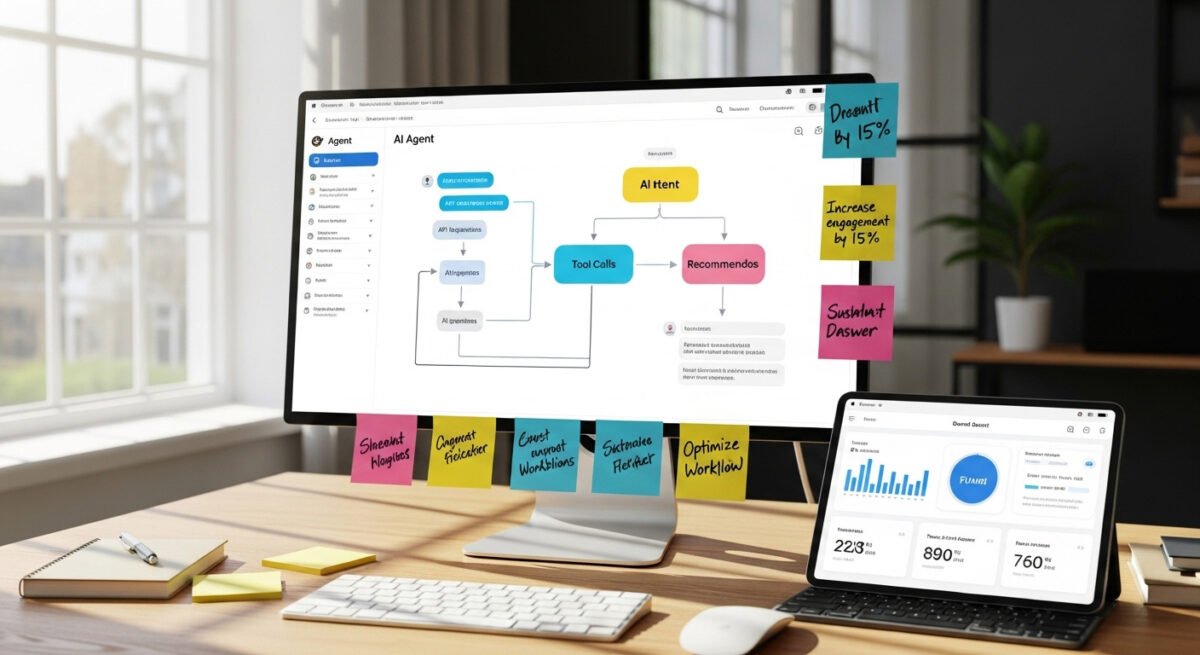
Start by defining what “success” means in the first session. For a design tool, it might be exporting a mockup; for a CRM, syncing contacts and creating the first pipeline; for an analytics product, generating a useful report. An AI-driven guide can detect where the user is stuck, call the right tools (import, template picker, data connector), and propose the next best step with a short explanation. Instead of ten generic steps, the experience collapses into two or three targeted actions, each justified by observed behavior.
Personalization is more than greeting with a name. AI can translate industry jargon, adapt examples to the user’s vertical, and tailor micro-demos. If the user is in e-commerce, show a product catalog sync; if they’re in services, surface scheduling integrations. The system should adjust the difficulty: offer quick-start templates to novices and advanced configuration to power users, without making either group feel ignored.
Great onboarding also teaches while doing. Use contextual tooltips and one-paragraph explainers that summarize why a step matters and how it connects to outcomes. Pair these with a one-click “do it for me” option—powered by the agent—to automate tasks like data import, permission setup, or initial dashboard creation. Every automated action should end with a short recap so the user understands what changed.
Measurement is the governor of improvement. Track time-to-first-value, guided-step completion, assisted vs. manual success rates, and post-onboarding retention. When the AI notices repeated friction patterns—users abandoning at the same step—it should propose experiment ideas: reorder steps, swap the example dataset, or add a micro-demo.
Trust is non-negotiable. Clearly display what the AI can access and why. Offer an easy path to human help, and keep a visible “undo” for any automated change. When users feel in control, they’ll accept more assistance and reach value faster.
The outcome of AI-powered onboarding is simple: fewer blockers, clearer wins, and a product that feels like it meets the user halfway from the very first minute.
Ready to ship an AI-powered onboarding that halves time-to-first-value? Reply “ONBOARD” and we’ll map your success milestones, design the guided flows, and deliver a working prototype in 14 days.